No products in the cart.
 isaiahvictor674@gmail.com
Front Yard Garden Design: 20+ Stunning Ideas That Transform Your Curb Appeal This Spring & Summer

Your front yard is the first sentence of your home’s story — and right now, it might be saying nothing. If you’ve been scrolling past stunning front yard garden designs on Pinterest wondering how people actually pull that off without a landscaper on speed dial or a massive renovation budget, you’re in exactly the right place. This guide gives you every idea, plant, layout trick, and design shortcut you need to build a front yard that stops people in their tracks — this spring and well into summer.
Front yard garden design is the art of turning your home’s most visible outdoor space into something layered, intentional, and alive. It’s for the homeowner who wants real curb appeal — not just trimmed grass and a lonely shrub by the door. Whether you’re working with a narrow strip of soil, a small urban plot, or a sweeping lawn that’s never lived up to its potential, the right front yard landscaping design changes everything. Great front yard garden ideas combine structure (evergreens, edging, pathways), seasonal color (perennials, annuals, flowering shrubs), and personality (a front yard fence, a statement planter, outdoor lighting) into one cohesive look that feels effortless even when it isn’t. The result? A home that photographs beautifully, increases in value, and genuinely makes you proud every single morning you pull into the driveway.
🌿 Home Decor Idea Card
Front Yard Garden Design: The Curb Appeal Cheat Sheet Every Homeowner Needs
“Your front yard is screaming for a refresh — and deep down you already know it. Here’s the cheat sheet that will finally make it happen.”

What Is Front Yard Garden Design?
A planned, layered approach to your home’s front outdoor space — combining plants, hardscape, lighting, and decor to maximize curb appeal and create a welcoming entrance you’re genuinely proud of.
Who It’s For
- Homeowners who want stunning curb appeal without hiring a full landscape crew
- DIY gardeners working on a realistic spring/summer budget
- Anyone whose front yard landscaping design feels flat, bare, or outdated
- People who want low-maintenance front yard garden ideas that look expensive
Core Design Elements
- Foundation Layer: Evergreen shrubs (boxwood, arborvitae) for year-round structure
- Mid Layer: Ornamental grasses, lavender, hydrangeas — seasonal color + texture
- Front Edge: Low-growing perennials, creeping thyme, or seasonal annuals
- Hardscape: Curved stone pathway, defined bed edging, a front yard fence if needed
- Accent Decor: Planters, solar pathway lights, a statement door color
🌱 Quick Win: Add a layer of fresh dark mulch to every bed — it instantly makes a tired front yard look professionally designed. Takes one afternoon and costs under $40.
🌿 🌿 🌿
Why Your Front Yard Design Is Costing You More Than You Think
Every single day you drive past your own front yard, there’s a quiet, low-grade frustration running in the background. The grass is patchy. The one shrub by the door looks like it survived something traumatic. The flower beds, if you can call them that, are mostly weeds with good posture. You’ve pinned a hundred front yard landscaping ideas on Pinterest but haven’t started because it feels overwhelming, expensive, or like you need a professional.
Earthy Cozy Bedroom Ideas: How to Build a Nature-Inspired Sleep Sanctuary That Feels Like a Warm Hug
Here’s what the research actually shows: homes with well-designed front yard landscaping sell for 5–15% more than comparable homes without it. But more importantly, a thoughtful front yard garden design changes how you feel about your home every single day — not just when you’re trying to sell it. This isn’t a luxury project. It’s a quality-of-life upgrade hiding in plain sight at the edge of your property.
The good news is that the gap between a “nothing” front yard and a genuinely stunning one is almost never about money. It’s about structure, layer logic, and knowing which plants do the heavy lifting season after season. That’s exactly what this post gives you.
Start With Structure: The Foundation Plants That Anchor Everything
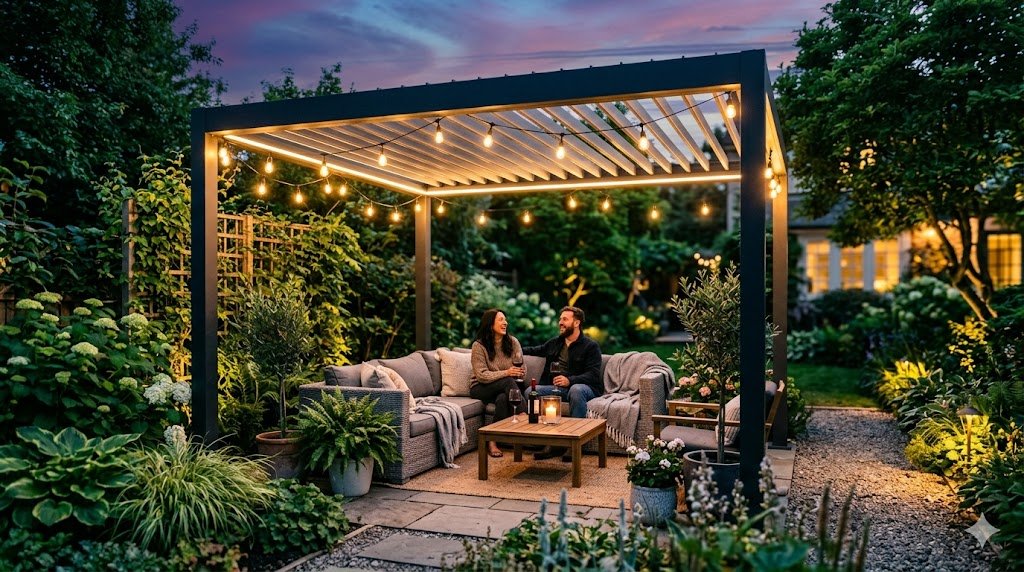
Layered evergreens and defined beds give even a small front yard a polished, intentional look.
Before you plant a single colorful flower, you need structure — and structure means evergreens. Boxwood, dwarf arborvitae, holly, and Japanese yew give your front yard garden design a backbone that looks presentable in January when everything else is dormant. These plants define the shape of your space 365 days a year, which is why professional landscape designers always start here.
The classic rule for front yard landscaping design is the rule of three layers: tall in the back, medium in the middle, low groundcover or annuals at the front edge. When most yards look flat and boring, it’s because two of those three layers are missing. Adding a medium shrub layer between your foundation plantings and your garden bed edge is often the single change that makes a front yard look fully designed rather than randomly planted.
For the front edge of your beds, consider creeping thyme, sedum, sweet alyssum, or low ornamental grasses. These plants soften the transition between bed and lawn, suppress weeds, and create that lush, layered look that photographs so beautifully in spring. And because many are perennials, you plant them once and enjoy them for years.
Before You StartSpend one hour walking your front yard at different times of day. Note where direct sun hits and where you have shade. Plant selection based on actual sun exposure is the number one factor that separates thriving front yard gardens from struggling ones. Most front yards have more shade than their owners realize.
If you’re working with a home that already has curb appeal bones but needs a style refresh, check out Front Yard Landscaping Ideas Farmhouse: 20+ Curb Appeal Designs That Look Like a Dream for style-specific planting combinations.
Color Strategy: How to Make Your Front Yard Look Professionally Designed
Amateurs plant whatever catches their eye at the garden center. Professionals plant with a color story. Choosing two or three colors and repeating them throughout your front yard garden creates cohesion — it makes the entire space look intentional rather than accidental. The most reliable front yard color combinations for spring include white and purple (hydrangeas + lavender + white alyssum), yellow and blue (rudbeckia + salvia + creeping juniper), and the classic pink and chartreuse (knockout roses + lime-green sweet potato vine).
One technique top Pinterest front yard ideas rely on is the anchor planting — a single dramatic focal point that draws the eye before anything else. This might be a weeping Japanese maple in a premium container, an ornamental grass at the corner of the house, or a climbing rose trained up a trellis by the front door. Every front yard garden design needs one anchor that says “this was intentional.”
For summer color that carries your spring design into the next season, add marigolds, zinnias, coneflowers, and black-eyed Susans to your bed edges in late spring. These plants bloom heavily from June through September, keeping your front yard full of color long after your spring tulips and pansies have faded. Thinking seasonally from the start is what separates a garden that looks great for three weeks from one that looks great all year.
Pathways, Edging & Hardscape: The Design Details That Pull Everything Together
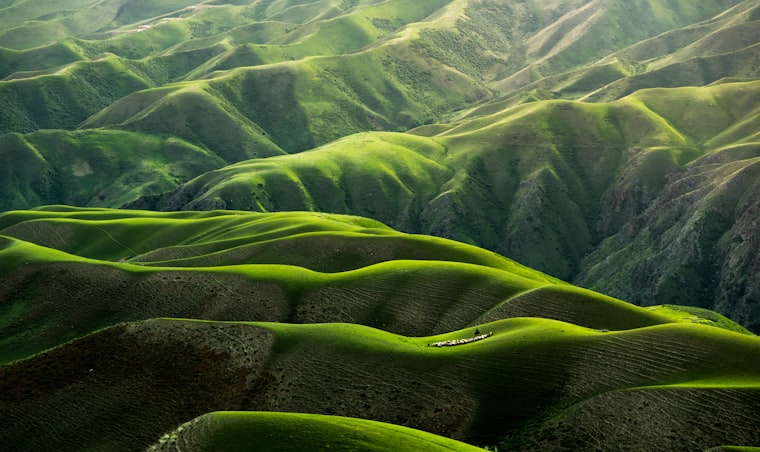
A curved stone pathway signals “welcome” and creates visual depth in even the smallest front yard.
If plants are the personality of your front yard garden design, hardscape is the structure that lets that personality breathe. A well-defined pathway, crisp bed edging, and intentional use of stone or gravel turn a good plant collection into a real landscape design. This is the layer most DIY front yard projects skip — and it’s the most obvious thing missing when a yard looks “almost there but not quite.”
Curved pathways beat straight ones almost every time in residential front yard landscaping. A gentle curve from the sidewalk to your front door creates a sense of arrival, adds perceived depth to your yard, and softens the straight lines of most houses. Use natural flagstone, concrete pavers, or even stepping stones set into low groundcover for a look that ranges from formal to cottage-garden casual depending on your home’s style.
Front yard edging is the most underestimated tool in curb appeal. A clean, defined edge between your garden beds and your lawn takes a “just okay” front yard to a “did they hire someone?” level instantly. Steel edging, natural stone borders, and decorative brick all work beautifully. Add a 2-inch layer of dark mulch inside the bed after edging and you have a front yard that looks professionally maintained from the street.
Pro TipUse a garden hose to lay out the shape of your new beds before cutting anything. Walk to the street and view it from the curb — this is the perspective that matters most. Adjust until the curves look natural and proportional to your house. Take a photo from the street to compare before and after.
If your front yard project includes working with planters and decorative containers, you’ll love the ideas in Painted Flower Pots Terra Cotta: 20+ DIY Ideas That Transform Any Space This Spring — the color ideas translate directly to front yard decor.
Front Yard Fence Ideas That Add Privacy and Polish
A front yard fence isn’t just a boundary — it’s a design statement. The right front yard fence idea frames your entire property like a picture frame, giving context and definition to everything inside it. Picket fences work beautifully with cottage and farmhouse styles. Low horizontal cedar fencing suits modern and contemporary homes. Wrought iron adds drama to traditional architecture. Even a simple low stone wall along the front property line can transform how the whole yard reads from the street.
The key to using a front yard fence successfully in your garden design is to pair it with planting at its base. Climbing roses, jasmine, or Virginia creeper trained up a wooden fence create a softness that turns a hard boundary into a living feature. Low lavender, ornamental grasses, or boxwood hedged along the inside base of a fence ties the fence to the garden instead of making it look like a standalone installation.
If you’re in a neighborhood with HOA restrictions, low picket fencing, decorative post-and-rail, or simply a defined bed edge with tall ornamental grasses can achieve the same visual “boundary” effect without technically being a fence at all. The goal is to give your front yard a contained, intentional feeling that communicates “this is designed” from the moment someone pulls up to your house.
For homeowners who also want seasonal styling that extends the curb appeal indoors and out, the ideas in Spring Bedroom Ideas for Men: 18 Masculine Refresh Looks That Actually Work carry the same seasonal refresh philosophy into your interior spaces.
Low-Maintenance Front Yard Garden Design That Still Looks Stunning
The most searched term attached to “front yard garden design” on Pinterest is “low maintenance” — and for good reason. Most of us want a beautiful yard, not a second job. The secret is building your design around plants that do most of the work themselves: native perennials, ornamental grasses, drought-tolerant succulents, and self-seeding annuals.
Native plants are the single biggest upgrade you can make to a front yard garden if low maintenance is your goal. Plants native to your region are already adapted to your soil, rainfall, and climate — which means they ask very little from you while giving a great deal back. Native coneflowers, black-eyed Susans, ornamental sage, and switchgrass are all striking, structurally beautiful, and nearly bulletproof once established. They also support pollinators, which is an added environmental bonus that makes your yard a genuinely living ecosystem.
For a low-maintenance front yard landscaping design that carries beautifully from spring into summer and even early fall, plant in sweeps rather than dots. A sweep of three to five of the same plant species has far more visual impact than scattering individual plants randomly across a bed. It also makes maintenance easier, since you’re caring for groups of the same plant rather than managing dozens of individual specimens with different water and fertilizer needs.
Front Yard Decor That Makes Your Entrance Unforgettable
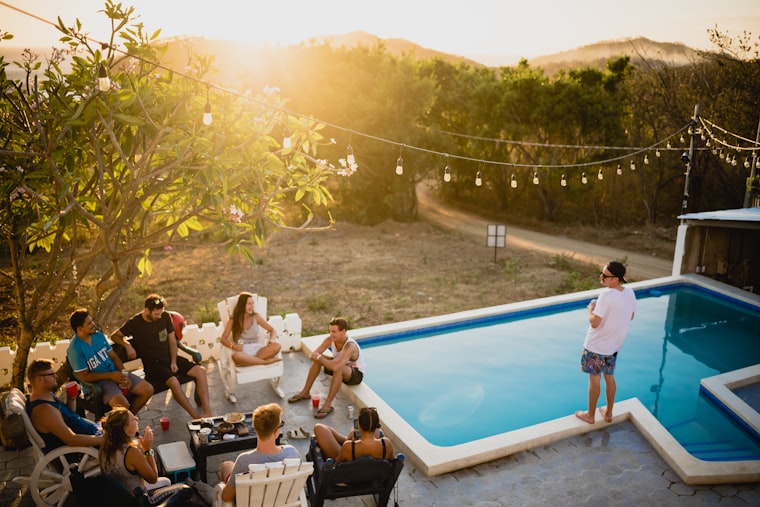
Front yard decor — from statement planters to pathway lighting — turns a good garden into a great entrance.
Front yard decor is the final layer that takes your garden from “nice planting” to genuinely memorable. Think of it as accessorizing an outfit — the planting is the clothing, but the decor is what makes it you. Statement planters at the front door, solar pathway lights along the walkway, a bold house number that’s legible and attractive, a seasonal wreath on the door — each small piece reinforces the overall design story.
For spring and summer front yard decor, oversized ceramic planters flanking the front door are one of the highest-impact changes you can make. Fill them with thriller-filler-spiller combinations: a tall thriller plant (like an ornamental grass or coleus), a filling mid-height plant (petunias, verbena, or sweet potato vine), and a trailing spiller (bacopa, million bells, or sweet alyssum that drapes over the edge). This formula works in literally any planter, in any style, in any climate.
Front Yard Landscaping Ideas Farmhouse: 20+ Curb Appeal Designs That Look Like a Dream
Outdoor solar lighting is another front yard decor upgrade with an outsized return on investment. Pathway lights define the walkway from the street at night, uplighting on trees creates drama after dark, and string lights wrapped along a fence or porch rail extend the visual appeal of your front yard garden into the evening hours. For a home that looks inviting at all times, lighting is non-negotiable.
🛒 Shop Large Ceramic Front Door Planters — Amazon Must Haves
🛒 Solar Garden Uplights — Amazon Products
🛒 Solar Garden Uplights — Amazon Products
The $200 Front Yard Garden Transformation That Actually Works
You don’t need a $5,000 landscaping contract to have a front yard that looks stunning. The most transformative front yard garden design changes cost very little money and a few hours of your time. Here’s the order of operations for a realistic budget transformation that creates maximum visual impact.
Step 1: Clean and Define
Pull every weed. Trim every overgrown shrub to a clean shape. Edge every bed with a flat spade or half-moon edger. This alone — before you plant a single new thing — will improve your front yard dramatically. A clean, defined space looks like it belongs to someone who cares.
Step 2: Mulch Everything
Cover every bed with 2–3 inches of dark shredded mulch. A single afternoon of mulching makes beds look freshly designed, retains moisture, and suppresses new weeds. Budget: approximately $30–$60 for a medium front yard.
Step 3: Add One Statement Plant
Choose one anchor plant — a dwarf Japanese maple, a tall ornamental grass, or a climbing rose on a trellis — and position it where it will be most visible from the street. This is your “hero” planting that immediately signals intentional design.
Step 4: Add Color in Sweeps
Plant seasonal annuals in groups of three to five, not individually. Three flats of wave petunias in your chosen color, planted in a sweep along the front edge of your beds, costs under $25 and creates the kind of massed color that Pinterest front yard photos are made of.
Step 5: Finish the Entrance
One pair of matching planters at the front door, freshly painted house numbers, and two solar path lights along your walkway. That’s it. Done correctly, this five-step process makes a front yard garden design look like the work of a professional — for under $200 total.
What You NeedGarden gloves, a flat spade, a hand trowel, 3–4 bags of dark hardwood mulch, 2 flats of seasonal annuals, one statement/anchor plant, matching entry planters, and solar pathway lights. Total estimated budget: $150–$220 depending on your zone and local plant prices.
Want to take the design energy inside while you’re on a roll outside? The Painted Flower Pots Terra Cotta: 20+ DIY Ideas That Transform Any Space This Spring post has cheap, creative ways to upgrade your entry planters even further with painted terracotta that costs almost nothing.
🌿 🌿 🌿
Frequently Asked Questions
What is the best front yard garden design for a small yard?
Focus on vertical elements (tall ornamental grasses, climbing roses on a trellis) and curved pathways to create perceived depth. Use containers instead of wide beds to keep the space open, and stick to a two-color plant palette to avoid visual clutter.
How do I design a front yard garden on a budget?
Start with edging, weeding, and fresh mulch — these cost under $60 and make an immediate difference. Then add annuals in sweeps (not individual plants), one statement anchor plant, and matching entry planters. Skip exotic specimens and rely on native plants, which are cheaper and lower maintenance.
What plants are best for front yard landscaping design?
Evergreen foundation shrubs (boxwood, arborvitae) for structure, ornamental grasses for texture, lavender and coneflowers for mid-layer color, and creeping thyme or sweet alyssum for the front edge. Add knockout roses or hydrangeas for high-impact seasonal blooms.
How do I add curb appeal to my front yard without landscaping?
Paint your front door a bold, complementary color. Add matching oversized planters with seasonal plants. Install solar pathway lighting. Replace or repaint your house numbers. Fresh mulch and a clean-edged bed will do more than almost any new planting.
What is the easiest low-maintenance front yard garden design?
Native plant designs are the easiest to maintain. Plant natives in sweeps with dark mulch around them, add a simple stone edging, and you have a garden that looks beautiful, supports pollinators, and requires almost no irrigation or fertilizing once established.
A front yard garden that makes the whole street look better — and makes you proud every single day.
Affiliate Disclosure: This post contains Amazon affiliate links. As an Amazon Associate, we earn from qualifying purchases at no additional cost to you. We only recommend products we believe will genuinely help you create the front yard garden design of your dreams. All opinions are our own. Thank you for supporting this blog — it helps us create more free content like this.